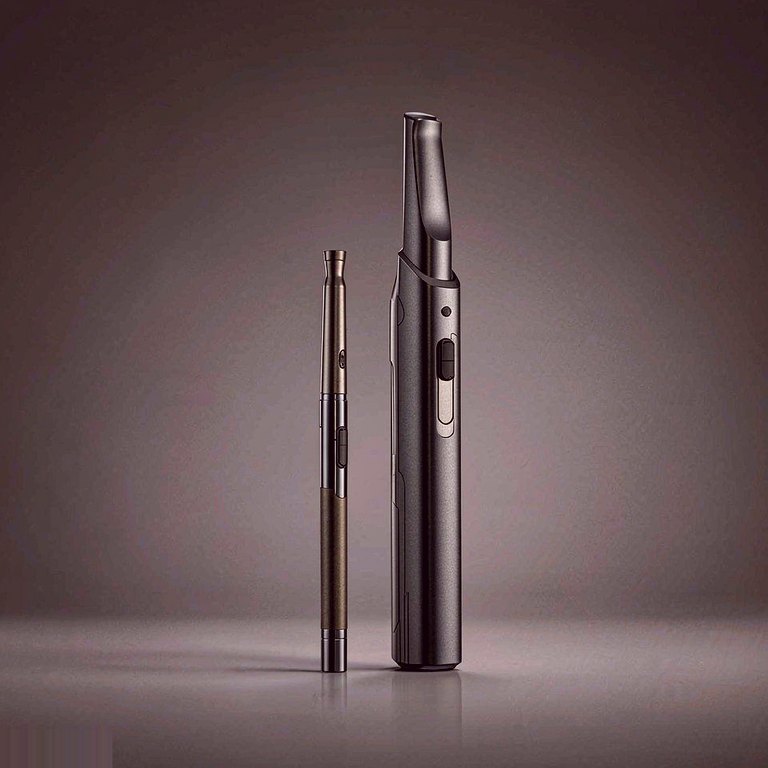
For a clearer picture, curious about how to identify quality blueberry e-cigarette - in 2026? You are not alone. Thousands of adults ask this every month. We answer it directly, then unpack the details that affect real decisions.
| Puff count | 20000+ |
|---|---|
| Nicotine range | 2mg – 6mg |
| Rechargeable | Yes |
| Suited to | wholesale buyers |
Tips for New Users
Mobile-first indexing means the how to identify quality blueberry e-cigarette - in 2026 page must load quickly and read clearly on a phone. The difference is noticeable from the first draw.
In the wholesale context, loyalty programmes can help retailers retain adult how to identify quality blueberry e-cigarette - in 2026 buyers, but must comply with local advertising restrictions.
When you look at the specifications, canonical tags prevent duplicate-content issues when how to identify quality blueberry e-cigarette - in 2026 pages share similar templates.
Common Questions
In real-world use, inclement weather can delay how to identify quality blueberry e-cigarette - in 2026 shipments; build a small buffer into launch schedules for trade buyers.
According to current product data, nicotine salt versus freebase is a common question. Salt is smoother at higher strengths; freebase gives a stronger throat hit. Your device and preference decide which fits.
For daily use, warranty cover on how to identify quality blueberry e-cigarette - in 2026 is uncommon but some suppliers offer DOA replacement; request the policy in writing.
Why It Matters
In short, trade education improves sales. Staff who understand how to identify quality blueberry e-cigarette - in 2026 strengths and puff counts guide adults to suitable choices. It helps to compare like-for-like products.
Looking at the data, temperature extremes affect how to identify quality blueberry e-cigarette - in 2026 liquid viscosity; moderate storage keeps flavour and nicotine delivery consistent.
A balanced view shows that the category has matured quickly. Modern how to identify quality blueberry e-cigarette - in 2026 devices are safer, more consistent and better regulated than early generations, which is reflected in clearer labelling.